
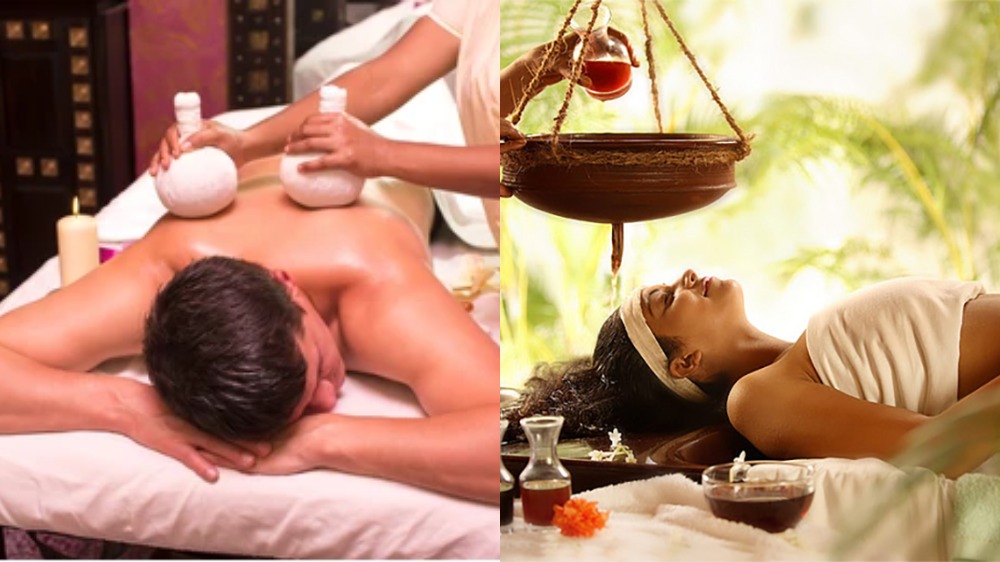

Panchakarma is one of the most well-known holistic therapies in Ayurveda, India’s ancient system of medicine. Panchakarma, meaning five actions, is a structured detoxification and rejuvenation therapy designed to remove toxins, balance the doshas, and restore overall health.
Rather than a quick cleanse, Panchakarma is a carefully guided therapeutic process that supports physical, mental, and emotional well-being. Understanding what happens during a complete Panchakarma program helps individuals prepare for the journey and gain the maximum benefit from the treatment.
The Ayurvedic Concept Behind Panchakarma
According to Ayurveda, health depends on the balance of three doshas, Vata, Pitta, and Kapha. Poor digestion, stress, unhealthy food, and lifestyle habits lead to toxin accumulation (ama), which disrupts this balance. Panchakarma works by loosening, mobilizing, and eliminating these toxins from the body. Each treatment plan is personalized based on the individual’s constitution and current health condition, ensuring safe and effective cleansing.
Preparation For A Panchakarma Program
Before the main Panchakarma therapies begin, the body is prepared through Purva Karma. This phase includes internal oleation (medicated ghee intake), external oil massage, and steam therapy. These practices soften tissues and help toxins move toward the digestive tract for easier elimination. Patients are advised to eat light meals, avoid heavy or processed foods, and follow a calm routine. Proper preparation plays a vital role in the success of the program.
Duration And Structure Of Panchakarma
A complete Panchakarma program usually lasts between 7 and 21 days, depending on the severity of imbalance and health goals. Short programs focus on mild detox and stress relief, while longer programs target deeper cleansing and chronic issues. Daily routines include therapies, dietary guidance, herbal medicines, and lifestyle recommendations. Regular monitoring ensures treatments are adjusted according to the body’s response.
Core Panchakarma Therapies
Panchakarma includes five classical detox procedures, though not all are used for every patient. These procedures include:
- Virechana (Purgation Therapy): Clears excess Pitta and toxins from the liver and intestines using herbal medicines.
- Vamana (Emesis Therapy): Helps remove excess Kapha and mucus, commonly used for respiratory and metabolic issues.
- Basti (Medicated Enema): Considered the most important therapy, Basti balances Vata and cleanses the colon.
- Nasya (Nasal Therapy): Medicated oils are administered through the nose to clear toxins from the head and neck region.
- Raktamokshana (Blood Cleansing): In selected cases, gentle detox of the blood may be advised under supervision.
Daily Routine During Panchakarma Treatment
Each day usually starts early with herbal drinks to stimulate digestion. Therapies such as Abhyanga (oil massage), Swedana (steam therapy), and specific Panchakarma procedures are performed as per the treatment plan. Rest is encouraged between sessions. The routine is structured yet calming, allowing the body to focus on healing without external stress.
Diet And Nutrition Guidelines
Diet during Panchakarma is simple, warm, and easy to digest. Meals usually include khichdi, vegetable soups, and herbal teas that support digestion and detoxification. Spices are used minimally and chosen according to dosha balance. Cold foods, fried items, sugar, and packaged foods are avoided. Dietary discipline supports effective toxin elimination and prevents digestive overload.
Mental And Emotional Support
Panchakarma also addresses mental and emotional health. Detoxification may bring emotional release, mild fatigue, or mood changes. Practices like meditation, gentle yoga, and breathing exercises are encouraged to maintain calmness and mental clarity. A peaceful environment and supportive guidance play an important role in overall recovery.
Benefits And Expected Outcomes
After completing Panchakarma, many individuals experience improved digestion, increased energy, better sleep, reduced stress, clearer skin, and improved immunity. Some also notice relief from chronic complaints and better emotional balance. Results continue to develop after treatment when lifestyle and dietary advice are followed consistently.
Post-Treatment Care And Lifestyle Recommendations
After Panchakarma, the body needs time to adjust. A gradual return to regular food and daily activities is recommended. This post-therapy phase helps stabilize digestion and strengthen the benefits achieved. Long-term success depends on maintaining healthy habits, seasonal detox practices, and mindful living as advised by the practitioner.
Choosing The Right Panchakarma Centre
A well-conducted Panchakarma program requires experienced Ayurvedic doctors, trained therapists, personalized care, and proper monitoring. Clean facilities, authentic medicines, and patient education are essential for safe and effective treatment outcomes.
Hyderabad is increasingly being recognized for quality Ayurvedic care under skilled Ayurvedic doctors, and individuals receive the best panchakarma treatment in Hyderabad that combines traditional wisdom with personalized treatment planning and comprehensive aftercare support.