
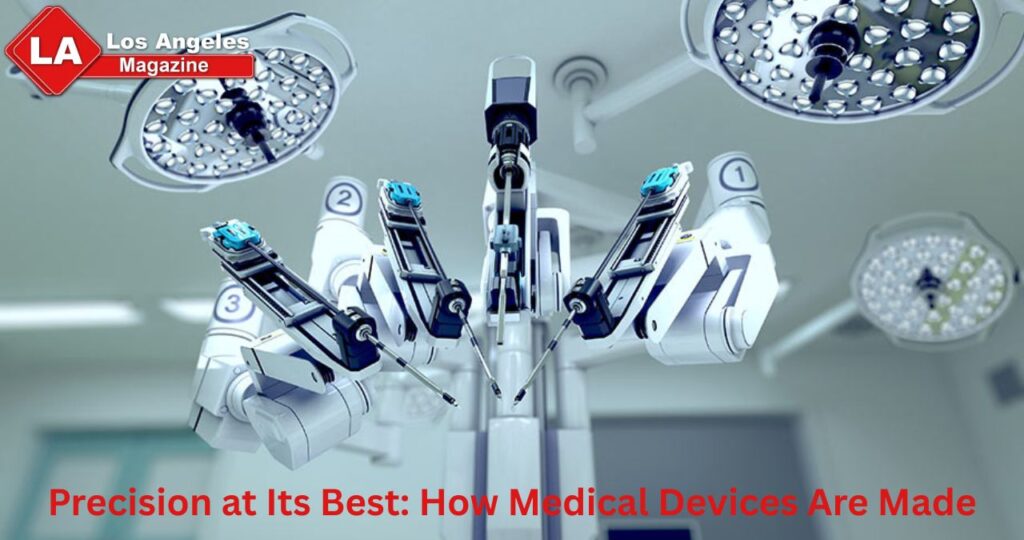

In today’s healthcare landscape, medical devices play a critical role in diagnosis, treatment, and improving patient outcomes. From pacemakers to surgical instruments, these devices require meticulous attention to detail and rigorous manufacturing standards. But how exactly are medical devices made, and what ensures their precision and reliability?
The Journey Begins: Concept and Design
Every medical device starts with an idea—a solution to a specific medical need. Engineers and designers collaborate with healthcare professionals to understand the requirements, patient safety considerations, and functional expectations. Computer-aided design (CAD) software is often used to create detailed models, allowing teams to simulate performance and detect potential issues before production begins.
During this stage, precision is paramount. Even minor design flaws can compromise the safety or effectiveness of a device. Life science consulting firms often assist companies in navigating regulatory requirements and optimizing designs for manufacturability, ensuring that products meet stringent standards from the outset.
Prototyping: Turning Ideas into Tangible Devices
Once a design is finalized, the next step is prototyping. Rapid prototyping technologies, including 3D printing, enable manufacturers to create physical models quickly. These prototypes are tested extensively to evaluate form, fit, and function.
Prototyping also allows engineers to refine materials and components. For example, implantable devices must be biocompatible, while diagnostic tools require materials that ensure accuracy and durability. This iterative process ensures that the final design performs as intended under real-world conditions.
Manufacturing: Precision in Every Step
Manufacturing medical devices requires a high level of precision, repeatability, and strict quality control. Depending on the device, processes may include injection molding, CNC machining, laser cutting, or additive manufacturing. Each step is monitored carefully to maintain exact tolerances and specifications.
Cleanroom environments are often used to prevent contamination, particularly for devices that come into direct contact with the human body. In these controlled environments, temperature, humidity, and particulate levels are regulated to meet strict standards.
Automation and robotics are increasingly integrated into medical device manufacturing. These technologies improve consistency, reduce human error, and increase production efficiency. However, skilled technicians and engineers remain essential to oversee operations, troubleshoot issues, and ensure the highest level of quality.
Quality Control: Ensuring Safety and Reliability
Quality assurance is the backbone of medical device manufacturing. Every device undergoes rigorous testing, from mechanical performance checks to electrical safety assessments and sterilization verification.
Regulatory agencies, such as the FDA in the United States, enforce strict standards to ensure that devices are safe and effective. Compliance with ISO 13485, a widely recognized quality management system standard for medical devices, is also critical. Manufacturers document every step of the production process, creating a detailed traceability record that allows issues to be identified and addressed quickly.
Innovation and Technology Integration
The medical device industry is continuously evolving. Advanced technologies like artificial intelligence, IoT integration, and smart sensors are increasingly incorporated into devices, enabling remote monitoring, predictive diagnostics, and improved patient outcomes.
These innovations require close collaboration between design, engineering, and manufacturing teams. Companies must balance cutting-edge technology with regulatory compliance and practical manufacturability—a complex but essential task for delivering safe, reliable, and innovative medical solutions.
In Conclusion
Medical device manufacturing is a meticulous process that combines innovation, precision, and rigorous quality control. From concept and design to prototyping, manufacturing, and testing, every stage is carefully managed to ensure devices meet the highest standards of safety and effectiveness.
In an industry where lives depend on performance, precision isn’t just a goal—it’s a necessity. By leveraging advanced technology, expert engineering, and strategic guidance from life science consulting, manufacturers can continue to produce devices that enhance patient care and advance the future of healthcare.