
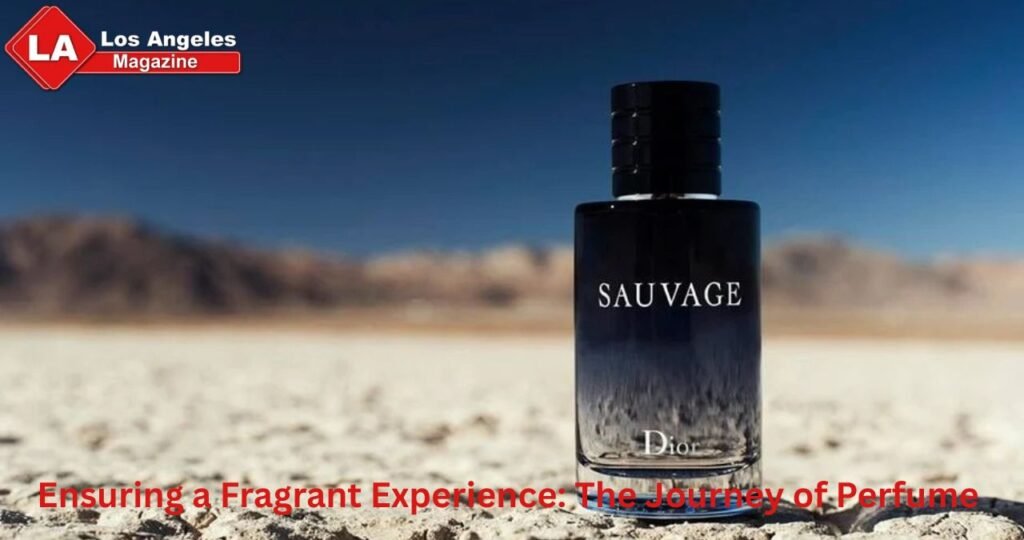

The art of fragrance has found a vibrant home in the city-state, creating a rich tapestry of olfactory experiences. Whether you’re exploring the bustling streets or the serenity of its gardens, there is a noticeable presence of distinct scents that add to the allure. Discovering the perfect perfume in Singapore becomes an immersive sensory experience where traditional craftsmanship meets contemporary luxury. A visit to iShopChangi offers a gateway to this fascinating world, highlighting a collection that promises both diversity and exclusivity.
The Historical Essence of Perfume
Perfume is not merely a beauty accessory but an art form with historical roots dating back thousands of years. Ancient civilisations esteemed fragrance as an essential part of their daily lives and spiritual practices. In regions like Egypt and Mesopotamia, perfumes were blended from natural ingredients such as resins, flowers, and spices. This tradition of sourcing high-quality raw materials and using artistic blending techniques persists today, especially in carefully curated markets where tradition meets innovation.
Crafting a Personal Identity
In the world of fragrance, personalisation is increasingly prominent. In contemporary society, fragrances have become an integral part of expressing one’s identity. A well-chosen perfume can evoke emotions, alter moods, and even influence perceptions. The choice of a fragrance is akin to selecting the perfect attire, providing the finishing touch to one’s persona. With myriad options available, it is essential to understand the fragrance’s composition, from top notes to base notes, to find a scent that resonates personally.
Fragrance Families and Preferences
The fragrance landscape is diverse, encompassing several families such as floral, woody, oriental, and fresh. Each category offers a unique sensory experience. Floral fragrances often invoke a sense of romance and elegance, making them popular for both day and evening wear. On the other hand, woody and oriental fragrances exude warmth and depth, often preferred during colder months or in the evening. Fresh fragrances with citrussy and aquatic notes provide an invigorating boost, perfect for an uplifting daytime experience.
Shopping Experience in Modern Settings
In the modern retail environment, selecting a fragrance involves more than just choosing a bottle from the shelf. Many retailers now offer experiential shopping where customers can engage with the scent in novel ways. This involves the use of scent stations and interactive displays, allowing consumers to explore a variety of scents before making a decision. Engaging the senses creates an immersive experience that goes beyond mere visual appeal, making the fragrance journey an engaging endeavour.
Trends in Sustainable Fragrance
The fragrance industry is witnessing a shift towards sustainability, with many brands embracing eco-friendly practices. From sourcing ethically harvested ingredients to using recyclable packaging, the movement aims to reduce environmental impact. Consumers are more conscious of the origins of their fragrances, valuing transparency and natural formulations. This growing demand influences how products are crafted and marketed, with an emphasis on both ethical considerations and luxury.
Perfume Ingredients: Capturing Nature’s Bounty
Fragrance formulations are complex compositions involving various elements. Natural ingredients such as essential oils derived from flowers, fruits, spices, and woods play a crucial role. Synthetic ingredients are also utilised to replicate rare and endangered natural resources, ensuring sustainability. The meticulous process of sourcing, extracting, and blending these elements culminates in a product that captures nature’s essence and translates it into an emotive experience.
The Science of Scent Testing
Testing and selecting a perfume involves understanding its development, which unfolds over time through different notes. Top notes offer the initial impression, usually light and refreshing, setting the stage for the heart notes, which define the fragrance’s character. Finally, the base notes provide depth and longevity, lingering as the scent gradually fades. Sampling perfumes on the skin, rather than just sniffing from a bottle, is essential to experience their true nature and how they interact with individual body chemistry.
Perfume for Different Occasions
Selecting an appropriate fragrance for various occasions complements the event and the wearer’s mood. Lighter, fresher scents are ideal for daytime activities and casual settings, while richer and more intense fragrances suit formal events and evening occasions. Understanding the nuances of each fragrance and matching them to suitable scenarios enhances the overall experience, ensuring that the perfume not only fits the outfit but also the setting.
Innovation in Fragrance Technology
Advancements in technology continue to reshape the fragrance industry. From molecular distillation to digital scent design, these innovations allow for the creation of complex and long-lasting fragrances. Perfume brands are constantly exploring new techniques to push the boundaries of olfactory artistry, providing consumers with unique and memorable scent experiences. These technological developments provide new pathways for creativity, ensuring that tradition and innovation coexist harmoniously.
Cultural Influence and Perception
Fragrance is deeply intertwined with cultural significance, often influenced by geographical and societal factors. Different regions develop distinct preferences based on cultural norms and environmental conditions. This cultural diversity significantly impacts the perfume industry, prompting brands to tailor their offerings to appeal to varied tastes. Understanding cultural preferences is crucial for crafting scents that resonate globally while respecting local traditions and values.
The Economics of Fragrance
The global fragrance market holds substantial economic value, with luxury brands and niche perfumeries contributing to a prosperous industry. The demand for exclusive and limited-edition scents drives innovation and competition among perfumers, who seek to captivate consumers with alluring creations. This economic dynamic fosters a lively marketplace, ensuring that consumers have access to a diverse array of products catering to different tastes and preferences.