
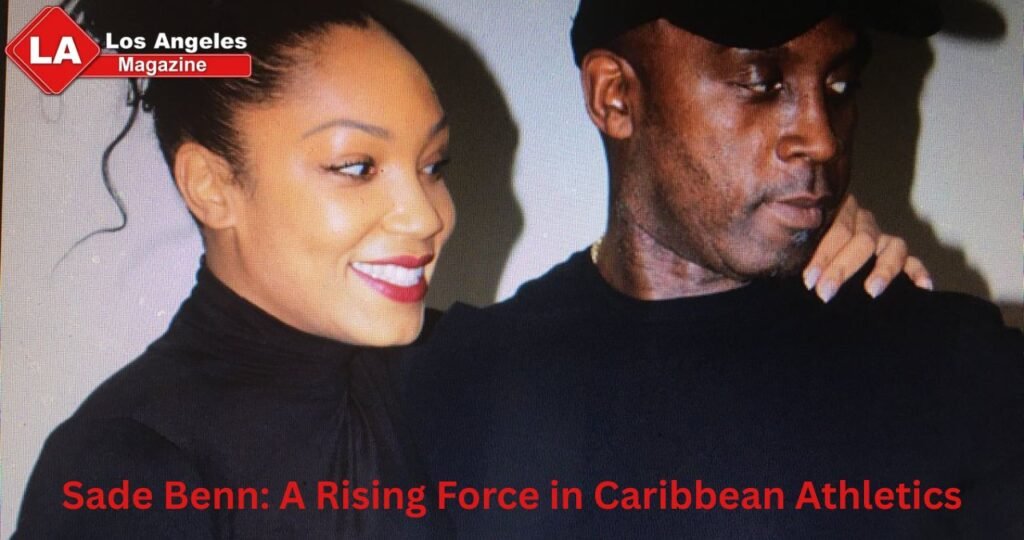

Sade Benn has steadily emerged as one of the most compelling figures in Caribbean track and field. Known for her speed, precision, and resilience over the hurdles, Benn represents a new generation of athletes from Trinidad and Tobago who are redefining what it means to compete on the global stage. Her journey is not only about sprinting between barriers but also about breaking personal and national limits. As interest in international athletics continues to grow, Sade Benn stands as a name worth knowing and following.
Early Life and Passion for Sport
Born and raised in Trinidad and Tobago, Sade Benn’s early life was shaped by a culture that deeply values athletics. The Caribbean region has long been synonymous with sprinting excellence, and young athletes often grow up surrounded by stories of Olympic champions and world record holders. In this environment, Benn discovered her natural athletic ability at a young age. What started as school competitions soon evolved into structured training sessions, where coaches quickly noticed her explosive speed and coordination.
Unlike flat sprinting, hurdling demands not only raw pace but technical mastery. The balance between stride rhythm and barrier clearance requires discipline and patience. Benn embraced these challenges early in her career, refining her approach step by step. Her early successes at youth competitions laid a foundation of confidence that would carry her forward into higher levels of competition.
Academic and Collegiate Development
A pivotal stage in Sade Benn’s athletic journey was her development within the collegiate system. Many Caribbean athletes choose to compete in the United States collegiate circuit, where facilities, coaching resources, and competitive opportunities are abundant. Benn followed a similar path, gaining valuable exposure against world-class university athletes.
Collegiate athletics offered her more than medals; it provided a structured environment where training programs were scientifically designed, recovery methods were advanced, and competition was frequent and intense. Competing at this level sharpened her mental toughness. Every race became an opportunity to adjust technique, improve reaction times, and gain tactical insight.
This experience also prepared her for international championships, where the atmosphere can be overwhelming. By competing in high-pressure collegiate meets, Benn cultivated composure that would prove invaluable later in her career.
International Breakthrough
Sade Benn’s presence on the international stage solidified her reputation as a serious contender in the 100-meter hurdles. Representing Trinidad and Tobago in regional and global competitions, she demonstrated consistent improvement in both timing and technique. One of the highlights of her career has been competing in multi-sport events such as the Commonwealth Games, where the stakes are elevated and the audience is global.
In such championships, athletes not only represent themselves but carry the pride of their nation. Benn’s performances have been characterized by determination and strategic racing. Hurdling, unlike pure sprinting, allows little room for error. A single misstep can cost precious milliseconds. Benn’s ability to maintain composure and rhythm has made her competitive against some of the world’s best.
Her progress is measured not only by podium finishes but by personal best times that continue to inch closer to elite global standards. Each season has marked visible advancement, reinforcing her position as one of Trinidad and Tobago’s leading hurdlers.
Training Philosophy and Technique
Behind every successful athlete lies a rigorous training regime. For Sade Benn, preparation is built around three core pillars: speed, strength, and technique. Hurdling requires explosive acceleration out of the blocks, controlled strides between barriers, and flawless takeoff and landing mechanics.
Strength conditioning ensures stability when clearing hurdles at high speed. Sprint drills help refine cadence and reaction time. Technical sessions focus on body positioning and reducing air time over hurdles. These combined elements contribute to fractions of a second that separate finalists from medalists.
Additionally, mental conditioning plays a significant role. Visualization techniques and race simulation drills help Benn anticipate competition scenarios. This mental rehearsal builds familiarity with high-pressure moments, allowing her to respond instinctively when the starting gun fires.
Impact on Caribbean Athletics
Sade Benn’s rise contributes to a broader narrative within Caribbean track and field. While sprinting giants often dominate headlines, hurdlers from the region are steadily carving out their own legacy. Benn serves as inspiration for young athletes who may see hurdles as a pathway to international recognition.
Her performances also highlight the depth of talent within Trinidad and Tobago. The nation has historically produced world-class sprinters, but diversification into technical track events demonstrates growing versatility. Benn’s success encourages investment in coaching, facilities, and youth programs that nurture future hurdlers.
Representation matters in sports. Seeing a fellow Trinidadian athlete excel on global platforms motivates aspiring competitors to believe that their dreams are achievable, regardless of geographic size or resource limitations.
Challenges and Resilience
No athletic career unfolds without obstacles. Injuries, performance slumps, and intense competition test even the strongest competitors. For hurdlers, minor muscle imbalances or timing disruptions can significantly impact results.
Sade Benn’s resilience has been a defining feature of her journey. Each setback becomes an opportunity for analysis and adjustment. Modern sports science allows athletes to evaluate biomechanics and identify areas for correction. Benn’s willingness to adapt reflects professional maturity.
Moreover, balancing training demands with personal life and academic commitments requires discipline. International travel, altitude adjustments, and recovery windows create logistical challenges. Her ability to manage these pressures underscores her commitment to long-term excellence.
Looking Ahead
As global athletics evolves, competition in the women’s 100-meter hurdles grows increasingly fierce. New talents emerge annually, pushing performance benchmarks higher. For Sade Benn, continued refinement and consistency will be crucial in maintaining upward momentum.
Her trajectory suggests potential qualification for future global championships and Olympic participation. With each season, experience builds confidence. Exposure to diverse racing conditions and competitors enhances tactical awareness. These incremental gains collectively shape a seasoned athlete capable of challenging established elites.
Beyond medals, Benn’s legacy may ultimately lie in influence. By demonstrating dedication and professionalism, she sets a standard for upcoming Caribbean athletes. Her journey reminds fans that excellence stems from sustained effort rather than overnight success.
Conclusion
Sade Benn represents more than a name on a race sheet; she symbolizes dedication, national pride, and the relentless pursuit of improvement. From her early beginnings in Trinidad and Tobago to competing on international tracks, her story illustrates the transformative power of sport.
Her continued growth in the 100-meter hurdles promises exciting seasons ahead. As she refines her craft and strives for faster times, audiences worldwide can expect to see her name increasingly associated with elite performances. In the dynamic landscape of global athletics, Sade Benn is firmly establishing her place — one hurdle at a time.