
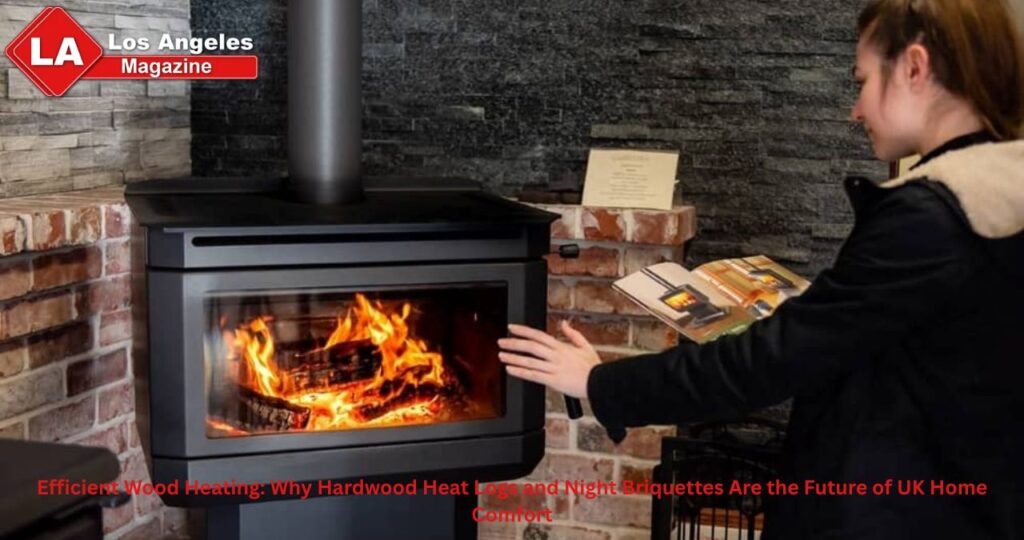

As energy prices fluctuate and the winter chill settles across the British Isles, more homeowners are turning their attention to the hearth. Wood heating has long been a staple of UK homes, offering a primal comfort that radiators simply cannot replicate. However, the days of relying solely on seasoned logs or coal are evolving. Modern wood heating is about efficiency, sustainability, and convenience.
For those with wood-burning stoves or open fires, the fuel you choose dictates your experience. It determines how often you need to refuel, how much heat is generated, and how clean your chimney remains. Two products have risen to prominence in the quest for the perfect burn: hardwood heat logs and night briquettes. These modern fuels are changing the way we heat our homes, offering a cleaner, hotter, and more reliable alternative to traditional firewood.
What Are Hardwood Heat Logs?
If you have ever struggled with damp firewood that hisses and smokes without giving off much heat, hardwood heat logs will feel like a revelation. These are not your standard logs chopped from a tree in the back garden. They are engineered bio-fuel products designed for maximum efficiency.
Composition and Manufacturing
Hardwood heat logs are created by compressing natural hardwood sawdust and wood chips under immense pressure. This process usually happens without any artificial binders or chemicals. The natural lignin in the wood melts under the heat of compression, binding the material together into a dense, solid log.
Because they are made from industrial by-products—often from furniture making or sawmills—they are an incredibly sustainable choice. No trees are cut down specifically to make them; they are a way of ensuring that every scrap of valuable hardwood is used effectively.
Unmatched Efficiency
The primary advantage of these logs lies in their density and low moisture content. Traditional seasoned firewood generally holds a moisture content of around 20%, even when “ready to burn.” In contrast, a high-quality hardwood heat log often has a moisture content of less than 10%.
This dryness means that energy isn’t wasted evaporating water before the wood can burn. Instead, the heat is released immediately into your room. They light easily, burn with a high, bright flame, and produce a significant amount of heat relative to their size. For UK residents looking to maximize the output of their wood burners, this efficiency is a game-changer.
What Are Night Briquettes?
While heat logs provide the intense burst of heat needed during the day, keeping a fire going overnight has traditionally been a challenge. This is where night briquettes come into their own.
The Solution for Overnight Heating
Night briquettes are dense, block-like fuels specifically formulated for a long, slow burn. Unlike standard logs that might burn through in an hour or two, night briquettes are designed to smoulder gently for up to eight hours. They are typically made from softwoods or bark, which are compressed even more densely than standard heat logs.
The goal of night briquettes isn’t to produce a roaring flame. Instead, they provide a steady, low-level heat output that keeps the stove warm and the chimney draft active throughout the night.
How They Work
When you place night briquettes on a dying fire before bed and reduce the airflow on your stove, they act like a thermal battery. They break down slowly, maintaining the embers. This means that when you wake up on a frosty morning, you don’t have to face the biting cold or the hassle of rebuilding a fire from scratch. The stove is still warm, and a bed of glowing embers is waiting for you. You simply add a fresh log, open the air vents, and the fire roars back to life within minutes.You can also read the article about night briquettes to know in detail how they work.
Benefits of Using Hardwood Heat Logs and Night Briquettes
Switching from traditional firewood to these modern compressed fuels offers several distinct advantages for UK homeowners.
1. Superior Consistency and Reliability
Natural wood varies wildly. One bag of logs might be excellent, while the next is knotty, damp, and impossible to light. Hardwood heat logs are manufactured products, meaning they are consistent. Every log in the pack will perform exactly like the last one. You get the same heat output, the same burn time, and the same flame picture every single time.
2. High Heat Output
Because they are so dry and dense, these fuels burn much hotter than traditional logs. This is particularly important for heating large rooms or poorly insulated spaces common in older UK properties. You effectively get more kilowatt-hours of heat per pound of fuel purchased.
3. Convenience and Storage
Space is often at a premium in British homes. Storing a bulky cord of firewood requires a large, dry shed or log store. Compressed logs and briquettes are uniform in shape and easy to stack. They take up significantly less space than loose logs for the same amount of heat energy. Furthermore, they are usually packaged in clean, easy-to-handle packs, eliminating the spiders, damp bark, and mess associated with bringing traditional wood indoors.
4. Environmental Impact
Using night briquettes and heat logs contributes to cleaner air. Their low moisture content ensures a cleaner combustion process. This results in fewer particulate emissions (PM2.5) and less creosote build-up in your flue. A cleaner flue reduces the risk of chimney fires and lowers maintenance costs. Additionally, because they are made from waste wood products, they are a carbon-neutral fuel source that supports the circular economy.
5. Cost-Effectiveness
While the upfront cost per bag might appear higher than a net of garage forecourt logs, the value proposition is better. Because they burn hotter and longer, you use fewer of them. You aren’t paying for water weight, and you aren’t wasting fuel on a fire that struggles to get up to temperature.
How to Choose the Right Fuel for Your Heating Needs
Navigating the various options can be confusing. Here is a practical guide to selecting the best fuel for your specific situation.
Assess Your Stove and Storage
Check your stove manufacturer’s guidelines. Most modern EcoDesign stoves are perfectly suited for compressed logs. However, because heat logs expand as they burn, you should never overload the firebox. Ensure you have a dry place to store them; unlike traditional logs, compressed wood acts like a sponge and will disintegrate if it gets wet.
Match the Fuel to the Time of Day
Think of your heating needs in two phases: active heating and maintenance heating.
- Daytime Heating: For the evening when you are in the living room and want high heat and a beautiful flame, choose hardwood heat logs. They provide the visual appeal of a roaring fire and the rapid warmth you need to take the chill off the room.
- Overnight or Workday Heating: If you want to keep the house tempered while you are asleep or out at work, switch to night briquettes. They won’t give you a light show, but they will maintain the temperature and make relighting the fire effortless.
Look for Quality Indicators
Not all briquettes are created equal. Look for suppliers who transparently list the composition of their products. You want 100% wood with no chemical additives. For heat logs, hardwoods like oak or birch sawdust are superior. For night briquettes, bark-based options often provide the longest burn times.
Test and Experiment
Every flue and stove setup is unique. The draw of your chimney will affect how fuel burns. It is often worth buying a sample pack or a small quantity first. Test how many hardwood heat logs you need to get your room to the perfect temperature. Experiment with the air controls when using night briquettes to find the “sweet spot” that gives you the longest burn without extinguishing the fire.
Why Night Briquettes Are an Excellent Choice for UK Homes
The British climate is damp and chilly rather than arctic. Our winters are defined by long, grey periods where the damp seeps into the brickwork. In this environment, letting a house go completely cold overnight can make it difficult to warm up again the next day.
Night briquettes are particularly well-suited to this climate. By maintaining a baseline of warmth in the stove, they help keep the chimney dry and the room temperature stable. This prevents the condensation and damp feeling that often greets homeowners in the morning.
Furthermore, with energy prices for gas and electricity remaining high, many UK residents are using wood burners as a primary heat source for their main living areas. In this context, the ability to keep the fire “in” overnight is not just a luxury; it is a significant cost-saving measure. It reduces the reliance on central heating to bring the house up to temperature every morning.
Conclusion
The landscape of home heating in the UK is shifting towards smarter, cleaner, and more efficient solutions. While the romantic image of the rugged log pile remains, the practical benefits of modern wood fuels are undeniable.
Hardwood heat logs offer an intense, clean, and reliable heat source perfect for cozy evenings, while night briquettes provide the stamina required to keep the cold at bay until morning. Together, they form a perfect partnership that allows you to get the absolute most out of your wood-burning stove. By choosing these low-moisture, high-density fuels, you are not only ensuring a warmer home but also contributing to better air quality and more sustainable energy use.
If you are ready to upgrade your heating experience and leave the damp, messy firewood behind, it is time to source your fuel from experts who understand quality. For a premium selection of sustainable wood fuels that deliver on their promises, explore Lekto Woodfuels. Their range of high-performance products can be delivered directly to your door anywhere in the UK, ensuring you stay warm efficiently all winter long.