
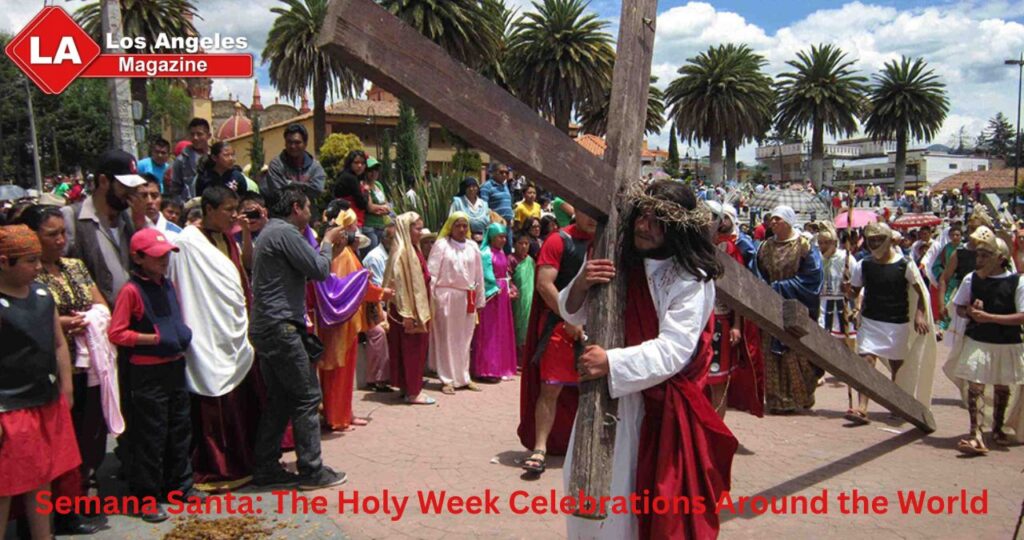

Semana Santa, or Holy Week, is one of the most significant religious observances in Christianity, particularly in Latin America and Spain. The term “Semana Santa” literally translates to “Holy Week,” marking the final week of Lent and commemorating the Passion, Crucifixion, and Resurrection of Jesus Christ. This sacred time is observed by millions of people worldwide with deep devotion, profound rituals, and festive yet solemn processions that have evolved into a cultural celebration.
In this article, we will explore the history, customs, and modern-day celebrations of Semana Santa, focusing on its religious, cultural, and social implications. While it is deeply religious, the week has also become an important time for national and local identity in various regions.
The Origins of Semana Santa
The tradition of celebrating Semana Santa dates back to the early centuries of Christianity. As Christianity spread across Europe, particularly during the medieval period, the church wanted to help believers connect with the story of Christ’s last days. By the 4th century, the observance of the Passion of Christ became widespread, and by the 13th century, it was common to have public processions depicting scenes from Christ’s final days.
The concept of a public procession began in Spain in the 16th century, where it took the form of the Pasos, or processional floats, representing key events from the Passion, such as the Last Supper, Christ carrying the Cross, the Crucifixion, and the Resurrection. These processions, led by religious brotherhoods, began as an expression of penance, but over time they evolved into public displays of faith.
Semana Santa in Spain
In Spain, Semana Santa is one of the most important cultural and religious events of the year. It is particularly celebrated in cities like Seville, Málaga, Granada, and Toledo, each with its own distinct traditions, processions, and celebrations. The religious brotherhoods (called cofradías) organize elaborate processions, where participants carry pasos through the streets. These pasos are often lifelike sculptures of Christ and the Virgin Mary, created by talented artists.
Seville, known for its passionate and grand celebrations, hosts one of the most famous Semana Santa festivals. The processions here are a fusion of religious devotion and artistic excellence, with thousands of nazarenos (penitents) in robes, hoods, and candles walking through the streets. The floats are accompanied by marching bands playing somber, haunting music, creating an atmosphere of reverence and reflection.
In Seville, the Hermandad del Gran Poder (Brotherhood of the Great Power) is one of the most prominent processions, with its statue of Christ carrying the cross being one of the most revered in all of Spain.
Málaga, on the other hand, has a slightly different atmosphere. Here, Semana Santa is a more public, lively affair, with processions often featuring large statues being carried by hombres de trono (men of the throne). These statues, many weighing several tons, are transported through the streets by a team of men who work in unison to carry the religious images.
Semana Santa in Latin America
In Latin American countries, Semana Santa holds a similar religious importance, but the observances vary greatly depending on the country’s cultural history and traditions. Countries like Mexico, Guatemala, Ecuador, Colombia, and Peru have strong Semana Santa observances, where indigenous traditions blend with Catholicism, creating unique rituals and customs.
In Guatemala, Semana Santa is celebrated with awe-inspiring processions that wind through cobbled streets. Antigua Guatemala, a UNESCO World Heritage site, is especially renowned for its celebrations. The city’s processions, led by thousands of penitents and adorned with colorful carpets made of sawdust, flowers, and fruits, are a sight to behold. These alfombras (carpets) are handmade by the local community and are placed along the procession routes to symbolize the passion and suffering of Christ.
In Mexico, Semana Santa celebrations take place in almost every town, but Iztapalapa, a district in Mexico City, is particularly famous for its passion play. In Iztapalapa, a reenactment of the Passion of Christ takes place, with hundreds of volunteers playing the roles of Jesus, the Apostles, and Roman soldiers. The most dramatic moment is the crucifixion, staged on a hill overlooking the city. The event attracts hundreds of thousands of spectators each year.
In Peru, Semana Santa is celebrated with processions, but it is the Vía Crucis (Way of the Cross) ceremonies that stand out. The Vía Crucis pilgrimage in Ayacucho, in the Andean region of Peru, is famous for its deeply spiritual and emotional celebrations. This area is known for the huge number of religious statues, often elaborately decorated, that are paraded through the narrow streets.
The Social and Cultural Significance of Semana Santa
Beyond the religious observance, Semana Santa has significant social and cultural importance. In many countries, it is not only a time of religious reflection but also a time for families to come together and celebrate. This is especially true in Spain, where the processions and other public ceremonies serve as a communal experience. In some towns, the Semana Santa festivities are an essential part of local identity, binding the community together through shared participation.
In Mexico, Ecuador, and other Latin American nations, Semana Santa also serves as an important tourism draw. The vibrant processions, combined with beautiful natural backdrops and the festive atmosphere, attract both religious pilgrims and tourists seeking to experience the rich culture of the region.
In some areas, Semana Santa coincides with the beginning of the tourist season. In Spain, many regions prepare for a surge in tourism during Holy Week, with travelers coming from around the world to witness the processions and events. This influx of visitors helps local businesses and services, contributing to the economy.
Modern-Day Observances and Challenges
While Semana Santa remains deeply rooted in tradition, it has faced challenges in the modern world. In some regions, the younger generations have become less involved in the religious aspects of the week, opting instead for the social and cultural festivities.
In Spain, for instance, some of the younger generations have questioned the role of the Catholic Church in these celebrations, leading to debates about the future of the holiday. Despite this, Semana Santa remains one of the most attended religious events in the country, particularly in Andalusia.
Similarly, in Latin America, the celebrations of Semana Santa face challenges posed by the globalized nature of society. The rise of commercial tourism, the influx of modernity, and the decreasing religious devotion in some regions have altered how some people experience and observe the holiday.
Despite these challenges, Semana Santa remains a vibrant and cherished celebration that brings communities together, encourages deep reflection, and strengthens the cultural identity of regions that have celebrated it for centuries.
Conclusion
Semana Santa is much more than just a religious observance; it is a celebration of faith, culture, and community. Whether you experience it in the narrow streets of Seville, the cobblestone lanes of Antigua, or the bustling plazas of Mexico City, the significance of Holy Week is felt in different ways across the globe. From solemn processions to public plays and heartfelt prayers, Semana Santa unites millions of people in the shared experience of reflecting on the life, death, and resurrection of Jesus Christ.
As Semana Santa continues to evolve with modern times, it is clear that the spirit of the holiday, filled with devotion, passion, and reverence, will continue to be an important part of many cultures for years to come.