
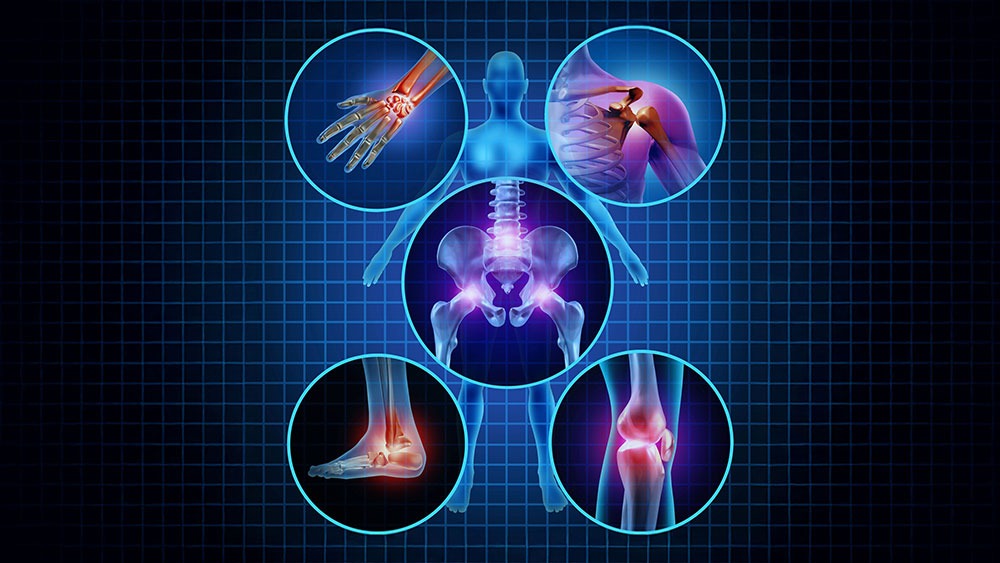

Living with pain can quietly take away the joy from everyday life. Whether it is a constant ache in your back, sharp nerve pain, or discomfort that just does not seem to go away, pain can affect your sleep, mood, and ability to work. Pain management is not only about giving medicines. It focuses on understanding the cause of pain and using safe, proven methods to control it.
Ahmedabad is a vibrant city known for its rich culture, warm people, and growing healthcare services. Many people today are turning to a pain management clinic in Ahmedabad to find relief and get back to living normally. These clinics treat both short-term and long-lasting pain with a combination of medical care, lifestyle advice, and supportive therapies. In this article, we explain the most common conditions treated at pain management clinics to help patients improve their quality of life.
Different Types of Pain
Every kind of pain is different, and recognizing this key difference is critical to understanding the purpose of a pain clinic.
Acute pain
Acute pain is the immediate result of tissue injury, such as a cut, fractured bone, or surgery. It provides a biological function by warning you about damage and protecting the region so that it can heal. This kind of pain usually goes away when the main cause heals, and it is frequently treated successfully by primary care doctors or surgeons.
Chronic Pain
Chronic pain lasts for weeks, months, or even years beyond the typical recovery period. It can happen even when there is no clear history of harm or damage to the body. This group includes conditions such as lower back discomfort, arthritis, fibromyalgia, and neuropathy.
Conditions Treated at a Pain Management Clinic
A pain management strategy may help anyone who has pain, whether it be acute or chronic. Pain that persists for a few days (such as following an injury or surgery) can be managed with a thorough strategy. If you suffer from chronic pain due to medical disorders, it may also be beneficial. Among the most common conditions that result in pain are:
Chronic Back Pain
Lower or upper back pain can come from poor posture, muscle strain, slipped discs, arthritis, or spinal problems. Pain specialists work to find the root cause and may suggest medications, physical therapy, posture correction, and sometimes minimally invasive procedures.
Neck Pain and Cervical Pain
Stiffness, headaches, and shoulder discomfort are common signs. Causes include muscle tension, cervical disc problems, or injuries. Pain clinics focus on easing muscle strain, improving neck movement, and preventing further damage through guided exercises, supportive devices, and targeted treatments.
Arthritis and Joint Pain
Conditions like osteoarthritis and rheumatoid arthritis cause joint inflammation, swelling, and pain, especially in the knees, hips, hands, and shoulders. Pain management helps by using medications, joint injections when needed, lifestyle changes, and strengthening exercises.
Neuropathic Pain
Neuropathic pain is pain caused by nerve damage, and it often feels like burning, tingling, or electric shocks.This type of pain can occur due to diabetes, infections, injuries, or spine problems. Pain clinics use specific drugs for nerve pain and sometimes advanced therapies to calm irritated nerves and improve comfort.
Sciatica
Sciatica is pain that travels from the lower back down one leg. It happens when the sciatic nerve is irritated, often due to a slipped disc or spinal narrowing. People may feel sharp pain, numbness, or weakness in the leg. Pain management focuses on reducing nerve pressure, easing inflammation, and strengthening the back to prevent future episodes.
Migraine and Chronic Headaches
It often comes with nausea, light sensitivity, and throbbing pain on one side of the head. Some people also suffer from tension headaches or cluster headaches. Pain clinics help identify triggers like stress, sleep issues, or food habits and create plans using medications, relaxation methods, and lifestyle guidance to reduce frequency and severity.
Cancer-Related Pain
Pain in cancer can come from the disease itself or as a side effect of treatments. Pain management clinics play a key role in helping patients stay comfortable by using tailored medication plans and supportive care. The focus is always on improving quality of life alongside ongoing cancer treatment.
Post-Surgical Pain
After surgery, pain is expected, but when it lasts longer than normal, it can delay healing. Pain specialists manage this pain carefully to prevent it from becoming chronic. Balanced pain control also helps patients move early, which supports recovery.
Sports Injuries and Muscle Pain
Strains, sprains, ligament injuries, and muscle tears are common in active individuals. Pain clinics combine pain relief with rehabilitation, ensuring proper healing while reducing the risk of repeat injury.
Fibromyalgia
Fibromyalgia causes widespread body pain along with fatigue and sleep problems. This condition affects how the brain processes pain signals, making normal sensations feel painful. Pain management clinics use a mix of medications, gentle exercise plans, stress control, and sleep support to help patients manage symptoms and improve daily functioning.
Complex Regional Pain Syndrome
CRPS is a rare but severe pain condition usually affecting an arm or leg. It often develops after an injury or surgery and causes intense pain, swelling, and skin changes. Early treatment is important. Pain clinics use a combination of therapies to reduce nerve sensitivity and maintain movement in the affected area.
Conclusion
It is never acceptable to ignore or accept pain as a natural part of life. Most people can find significant improvement and resume their regular activities with the correct care. Pain management clinics are crucial because they provide organized, customized treatments for a variety of conditions. Seeking immediate help might have a significant impact if pain is preventing you from moving forward.